
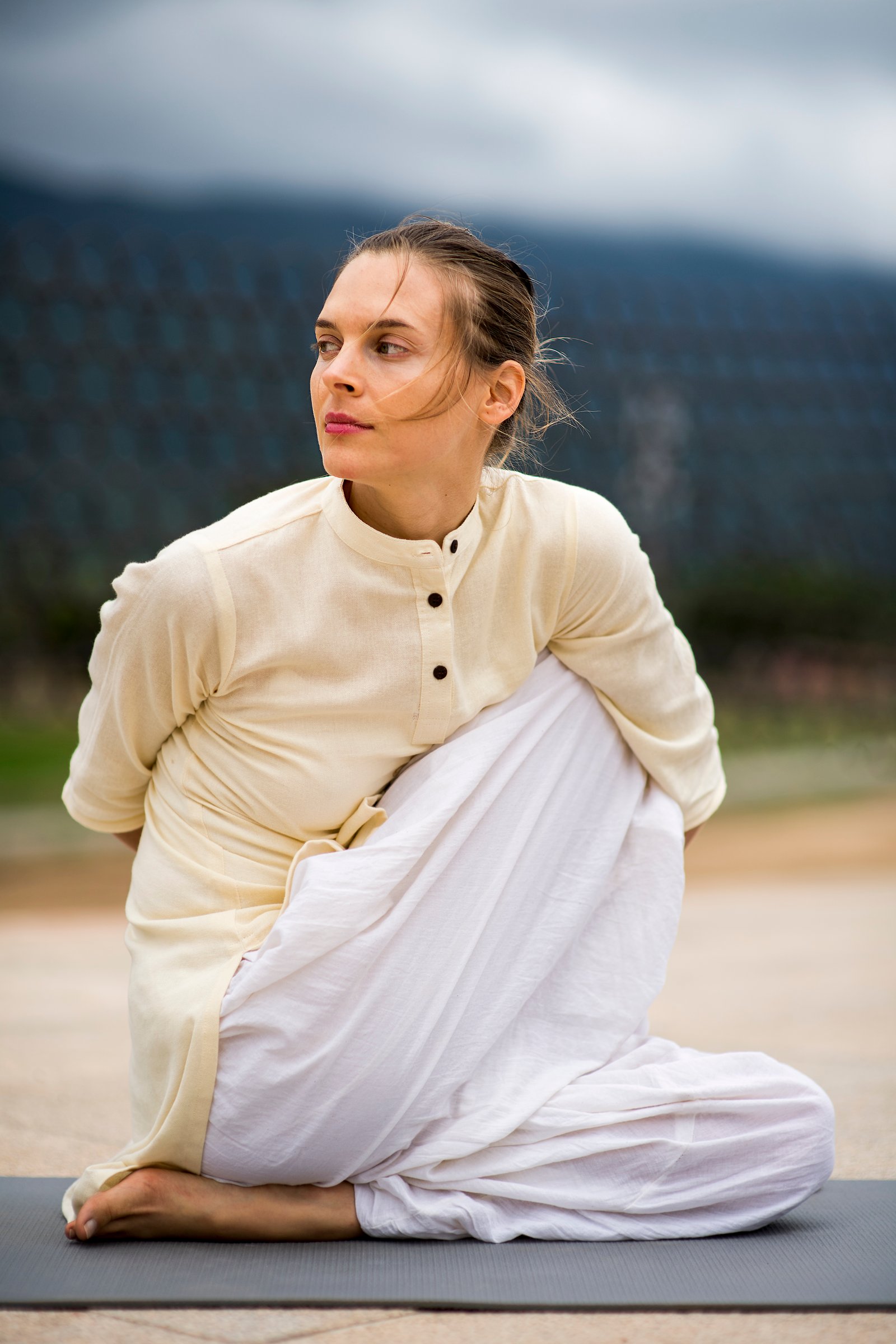
We often seek joy externally, through material possessions or social status, only to discover that true contentment lies within. One path to peace and joy is through the practice of yoga, combined with an attitude of gratitude.
Yoga is more than just physical exercise; it is a holistic approach to well-being. Through asanas, pranayama, kriyas, and meditation, yoga fosters harmony within oneself and with the surrounding world. At its core, yoga emphasizes mindfulness, being fully present in the moment without judgment. This mindfulness lays the groundwork for gratitude, as it allows us to recognize and appreciate the blessings in our lives, from the air we breathe to the relationships we cherish.
Gratitude, which involves acknowledging and appreciating the good in life, is more than a fleeting emotion; it is a way of life. Positive psychology research shows that cultivating gratitude can lead to improved mental well-being, stronger relationships, and a greater sense of happiness.
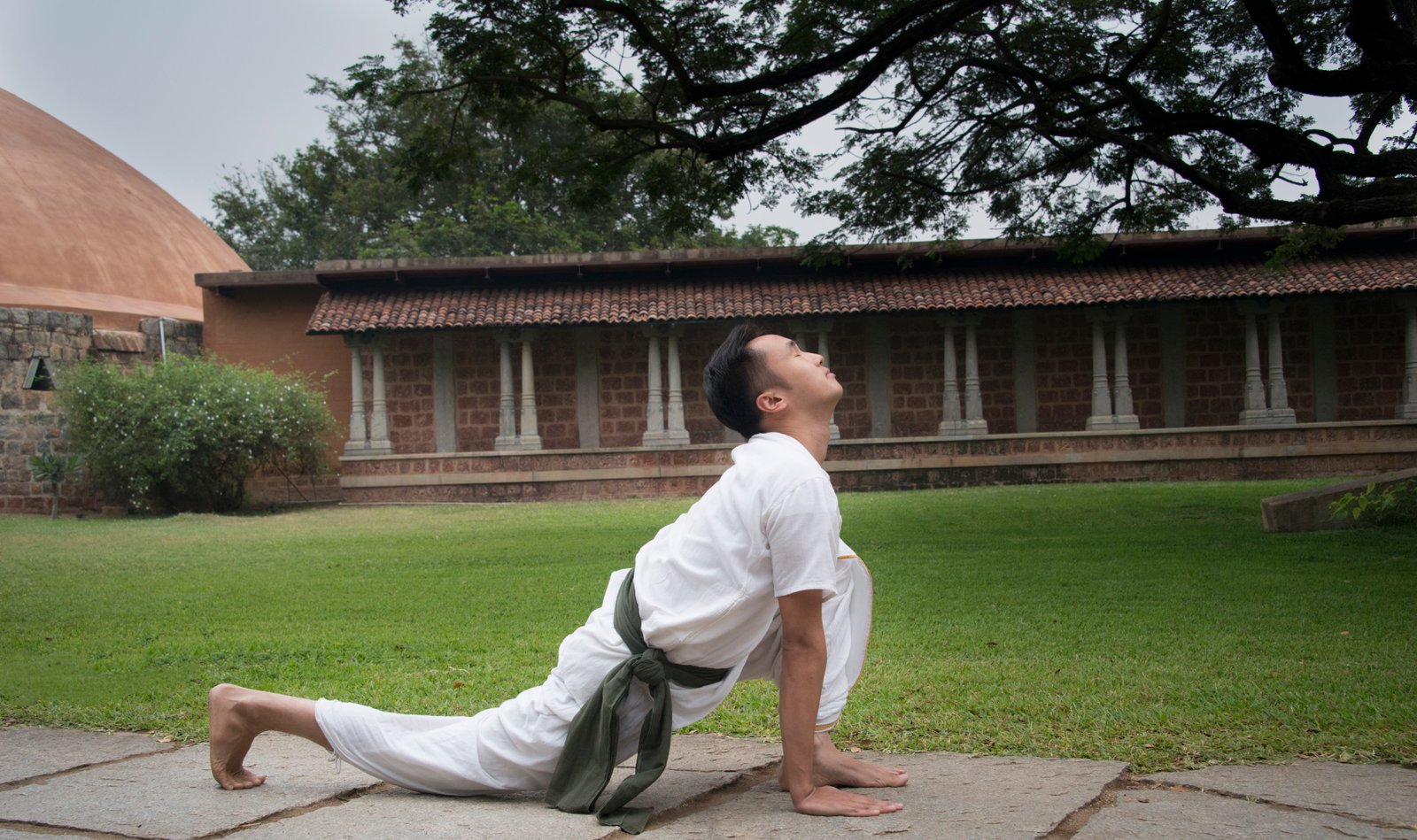
It’s the first asana of the middle part of primary, Ashtanga yoga. What is seen on the picture is my starting point after a rather long break.
Everything is lost, I think sometimes, but this is not true. I remember decades ago I couldn’t sit on the floor with straight legs. My legs were bent. When I stretched them it hurt, my back rounded.
I could breathe evenly while in paschimottanasana. My mind was focused on breathing. When inhaling my abdomen were relaxed. I engage them when exhaling. This keeps the energy in the body. There is never absolute stillness or motionless, but calmness.
I learned the details about engaging the bandhas from an Indian pranayama teacher. A common mistake is to think one should engage the muscles all the time. It’s not possible. It’s breathing in, breathing out. It’s also engaging the muscles and letting to.
Oh, it’s not only the abdomen that are engaged or locked when exhaling, it’s the three bandhas:
Mula bandha (root lock)
Uddiyana bandha (abdominal lock)
Jalandhara bandha (chin lock)
Stillness doesn’t mean that the body is without any movement. This only happens when we’re dead.
Yet the mind has a focus.
The eyes shall not wander around. A focus is given. The eyes are soft and look in one direction. It calms the mind. It helps not to get distracted.
When practicing yoga, nothing is more important than the next inhaling, the next exhaling.
Being able to concentrate is a skill. We can get better at it or worse.
Practicing yoga improved my concentration skills. In the beginning 90 min were too long for me. I ran away from my mat, made breaks. These days staying 90 minutes on the mat is possible. I don’t get nervous. I don’t run away from the practice.
Today is Saturday. Usually it’s a day off from practice. Breaks are important. I won’t do a full Ashtanga yoga series. In order to keep the ball rolling I’ll do some easy asanas.
If asked what I’ve learned during the last decades in yoga, I’d say my concentration skills improved enormously.
I realise that this post is a bit chaotic without a clear topic. I’ll get better at writing with time. I don’t want to fall into the trap not to do anything, because it’s not perfect what I do.
Keep practicing. Keep breathing deeply.
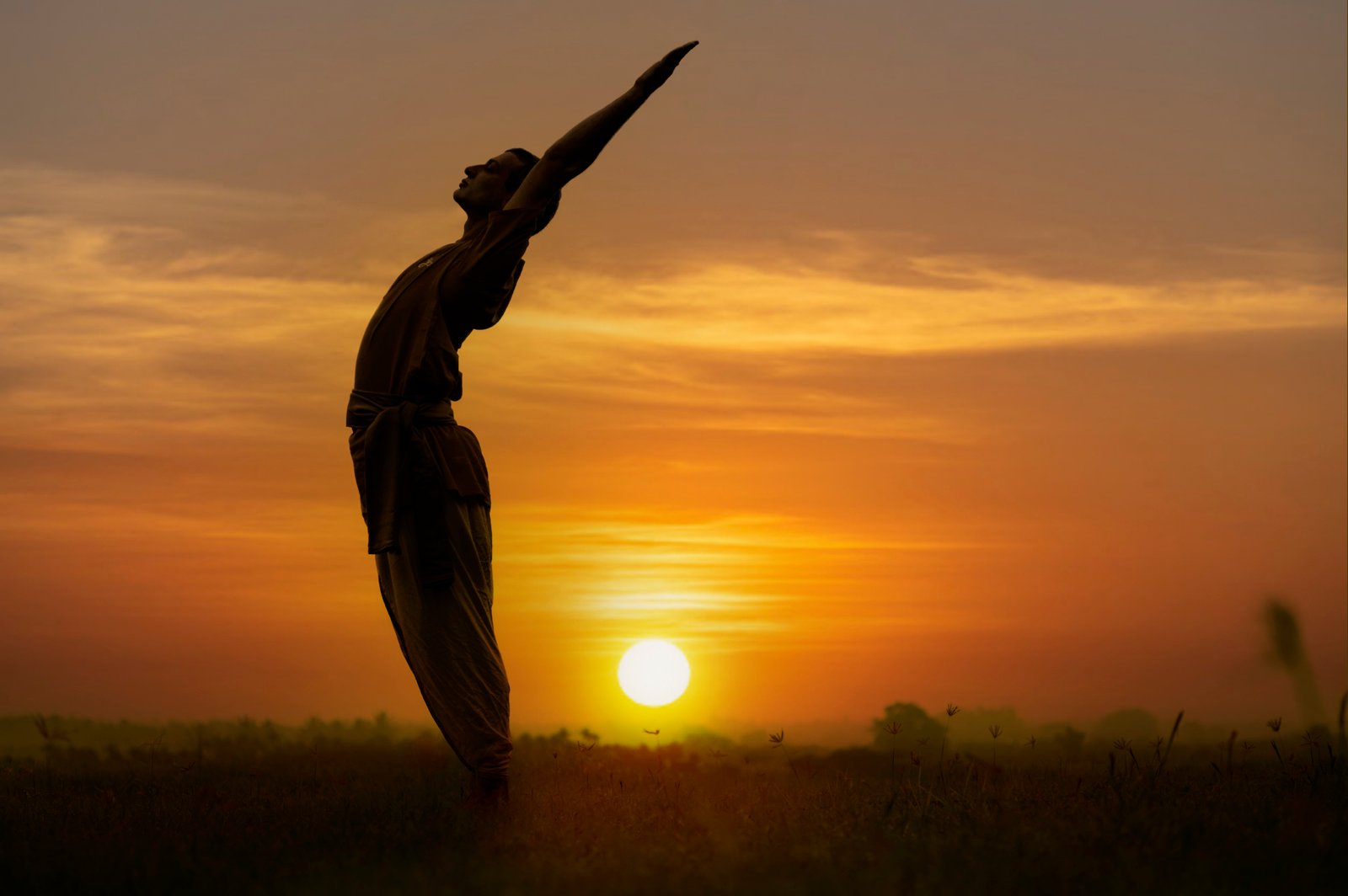
This is one of the exercises I’ve added to my practice. I hope it will help me regain the flexibility in my left hip. The movement still feels blocked, but I think I need to work through this and observe how the flexibility develops over time with this and other exercises.
I can do Padmasana easily, but my goal is to restore the balance between both hips. I’ll apply the same method of patience and persistence to improving this particular movement on the left side.
The position in the picture is also one that can be practiced before bedtime. I took a picture of the right side too—the difference is enormous.